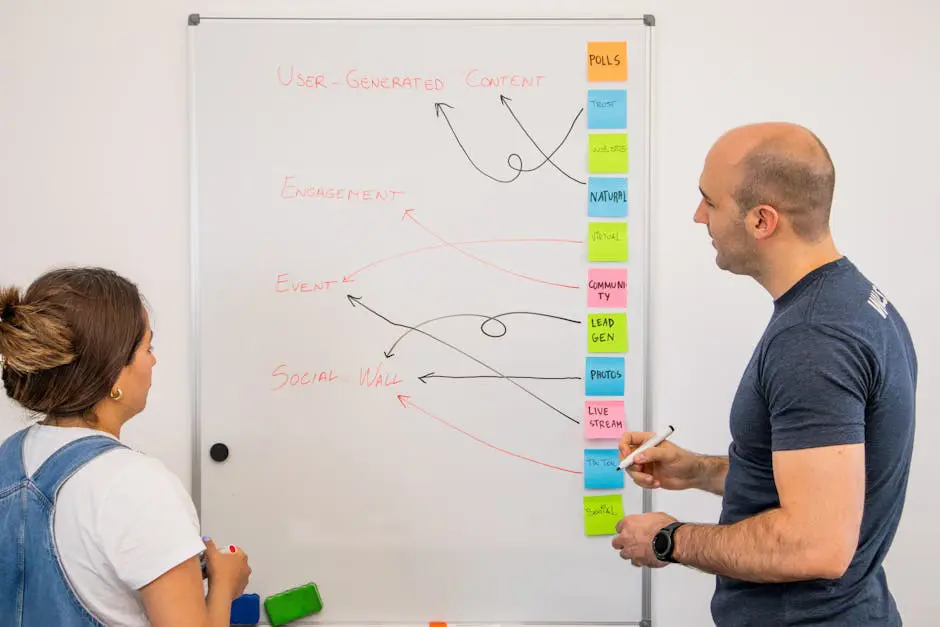
Local search visibility starts with pages built for real neighbors
City landing pages SEO is the practice of creating dedicated, location-specific web pages that help your business rank in organic search results for cities where you serve customers but do not have a physical office.
Here is what that looks like in practice.
| Goal | What city landing pages do |
|---|---|
| Rank in a new city | Give Google a dedicated, relevant page to index for that location |
| Attract local customers | Match the exact search intent of someone looking for your service nearby |
| Compete without a storefront | Signal local relevance through content, not just a business address |
| Avoid Google penalties | Publish unique, helpful content that serves real users in each area |
Nearly half of all Google searches carry local intent. People are not browsing. They are ready to act. And when someone searches for roof repair in your city, your homepage almost never shows up if you are not physically located there.
That gap between where you operate and where you rank is the core problem this guide helps you solve.
I’m Connor Lagman, founder of Attention Digital. After more than a decade helping small businesses and nonprofits grow their online presence, city landing pages SEO remains one of the most reliable ways to reach nearby markets without paying for every click. This guide shows you how to do it correctly.
A large share of searches on Google seek local information. That means many people using a search engine are looking for a business, service, or product close to home. If your website only focuses on your main office in Indianapolis, you can miss potential customers in Carmel, Fishers, or Zionsville.
The challenge most businesses run into is proximity. Google is heavily influenced by where the searcher is located. If you are a plumber based in downtown Indy, Google is more likely to show your business to people in downtown Indy. To show up for a plumber near me search in Westfield, you need more than a quick mention of that city on a contact page. You need a page built for those neighbors.
Understanding What is SEO? Who is it a good fit for? is the first step. Local search is not just about keywords. It is about matching the visitor’s intent with a page that answers their questions clearly.
When someone in Noblesville lands on a page that speaks to their area and their needs, it builds trust faster than a generic homepage can.
City landing pages SEO helps you show up in the cities where you already work
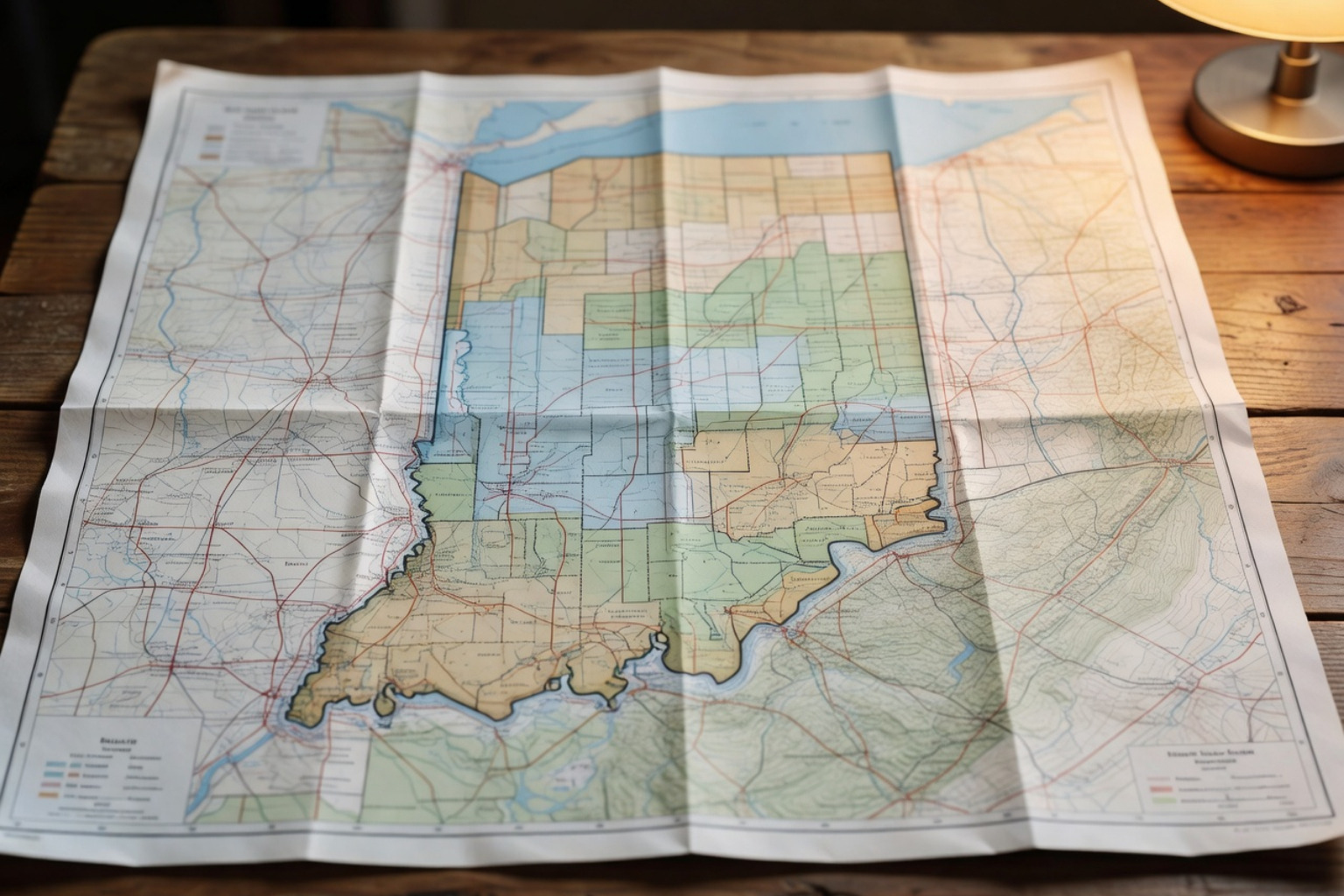
For service area businesses (SABs) like landscapers, electricians, or mobile pet groomers, your office is wherever your truck is parked. Google’s local map pack is also difficult to break into if you do not have a physical storefront in that zip code. This is where city landing pages SEO can carry the load.
When you create dedicated pages for your key nearby markets, you give Google a clear place to send searchers. These pages help you compete in the organic results below the map, which still drive a lot of high-intent traffic. Your Google Business Profile supports your home base. City pages support your expansion.
The key is making sure the content helps the person reading it. Google rewards pages that provide genuine value to the reader, which is exactly what Google’s definition of Helpful Content is getting at.
If you simply swap city names on a templated page, search engines will read it as low effort. If you include local tips, realistic expectations for that area, or photos of work you have done nearby, you strengthen your Search Ranking because you look like a real local option.
Unique pages keep you away from doorway page problems
One of the biggest local SEO risks is publishing doorway pages. These are low-quality pages created mainly to rank for specific keywords rather than to help a person. If you have fifty pages that are almost identical, with Carmel swapped for Fishers, you are creating an easy pattern for Google to discount.
To stay aligned with Google’s stance on doorway pages, every page should include real location detail. You do not need to invent a new service in every city. You do need to show you understand the area. Mention neighborhoods you commonly serve, common home types, or the way local weather affects the work.
Authenticity is the best protection. When the page is written for the person in that city first, rankings tend to follow.
Service area businesses need city pages to earn clicks outside the map
If you run a business where you travel to the customer, you have probably already felt the Local Listings challenge. Google requires SABs to hide their home addresses if they do not have a public storefront, which can make map visibility harder in some markets.
City landing pages help you capture long-tail searches, which are specific queries like best emergency roofer in Zionsville. These searches often convert well because the person already knows what they need and where they need it.
Think of these pages like clear signposts. They tell both the customer and the search engine that you serve that city and you are ready to help.
Strong city pages follow a clear structure Google can understand
A successful local page is not just a wall of text. It needs specific structural elements that make it easy for both people and search engines to trust.
One of the most important basics is NAP consistency. Your Name, Address, and Phone number should match everywhere it appears online. Even if you do not have a physical office in that city, your primary contact details should be clear and consistent.
Using Google’s tutorial on local business schema is also a practical step for modern SEO. Schema is code that helps search engines interpret your page. It supports a simple message that you are a real business, you provide specific services, and you serve specific areas.
Here is how these pages compare to storefront location pages.
| Feature | City Landing Page | Location Page (Storefront) |
|---|---|---|
| Physical Address | Not required (uses service area) | Required (linked to a storefront) |
| Primary Goal | Rank in organic search (below maps) | Rank in the Map Pack (3-pack) |
| Content Focus | Regional expertise and service area | Specific store hours and directions |
| GBP Link | Usually links to a central profile | Links to a specific local profile |
Fast mobile pages prevent lost leads
Mobile optimization is no longer optional. Many local searches happen on a phone, and a large share of those turn into a call, form submission, or visit shortly after. If your city page is slow or hard to use on a small screen, people leave.
Modern Website Design should make it easy to tap to call, scan services quickly, and find answers without pinching and zooming. Clean structure also helps as search engines use more AI-driven features. Pages with clear sections and structured data are easier to interpret and cite.
City-specific proof builds trust faster
Social proof matters because people want to see that you do good work for others nearby. When someone in Fishers sees feedback from another resident in Fishers, it reduces hesitation.
If you have reviews from that city, include them on the page. If you do not yet, include credible local proof you can stand behind, like photos from recent projects in that area or a short note about community involvement.
When reviews come in, responding well is part of the job. Google Business Profile help: Responding to reviews is a useful reference for keeping that process consistent.
You can scale to more cities without publishing thin pages
Scaling city landing pages SEO is a marathon, not a sprint. It is tempting to launch pages for every town in Central Indiana quickly, but that often leads to thin content that drags down the whole site. A smaller set of strong pages is safer and tends to perform better.
Site structure matters as you scale. Your city pages should not be orphaned. They should be linked from your navigation, often under a Service Areas menu, and supported by internal links from related service pages.
Following Google’s advice for targeting multiple locations comes down to one idea. Focus on quality over quantity.
Here are practical ways to add unique local content.
- Local project galleries with photos from that specific city.
- FAQs tailored to local needs.
- Seasonal tips that matter in that area.
- Short staff bios for team members who live or work nearby.
- Links to local resources or partner businesses.
Internal links help Google understand what matters on your site
Internal linking is how you connect pages on your site to each other. It supports navigation for visitors and also helps search engines discover and prioritize important pages.
By linking city pages to your core service pages, and linking back when it makes sense, you spread authority through the parts of the site that drive revenue.
This is part of What is Organic First Digital Marketing?. The goal is to build pages that keep working long after they are published.
Start with the cities that will actually move the needle
We generally advise businesses to start with their top 15 to 20 target cities. For an Indianapolis-based business, that often means the surrounding counties and major suburbs.
Trying to target hundreds of towns usually creates diminishing returns. It is better to dominate a smaller list with pages that include real photos, clear service details, and strong local proof.
Straight answers to the questions business owners ask most
You can rank without a physical address in every city
No, you do not need a physical address in every city to rank. A physical address is typically required to compete in the Google Map Pack. City landing pages help you compete in the organic results below the map.
For many service keywords, a strong organic position is just as valuable because it still brings in people who are ready to call.
The safe page count is the number you can keep truly unique
There is no fixed limit. The practical rule is only publish as many pages as you can make genuinely helpful and clearly different.
If you use automation to produce hundreds of nearly identical pages, Google may treat the site as spam. For a small business in Indianapolis, it makes sense to have pages for Carmel, Fishers, and Westfield. It makes much less sense to publish pages for places you cannot realistically serve.
Your Google Business Profile and city pages support different types of searches
Your Google Business Profile (GBP) is tied to your physical location. Your city landing pages are tied to your website.
GBP helps you compete for near me searches close to your base. City pages help you compete for service in city searches in surrounding areas.
For best results, you can link your GBP to the most relevant page on your site rather than only sending everyone to the homepage.
What you get when city pages are done right is steady growth you can count on
At Attention Digital, we believe local businesses are the heartbeat of the Indianapolis area. You should not have to become an SEO expert to show up when your neighbors need you.
Our approach to city landing pages SEO focuses on doing the technical work correctly and writing pages that are genuinely useful. That means clean structure, solid internal linking, and location-specific content that proves you actually serve the area.
We do not do cookie-cutter solutions or long-term contracts that lock you in. We focus on building real authority for your brand in the places that matter most to your bottom line.
If you want a clear plan for which cities to target first and what each page should include, we offer Free initial services to help you get started.